
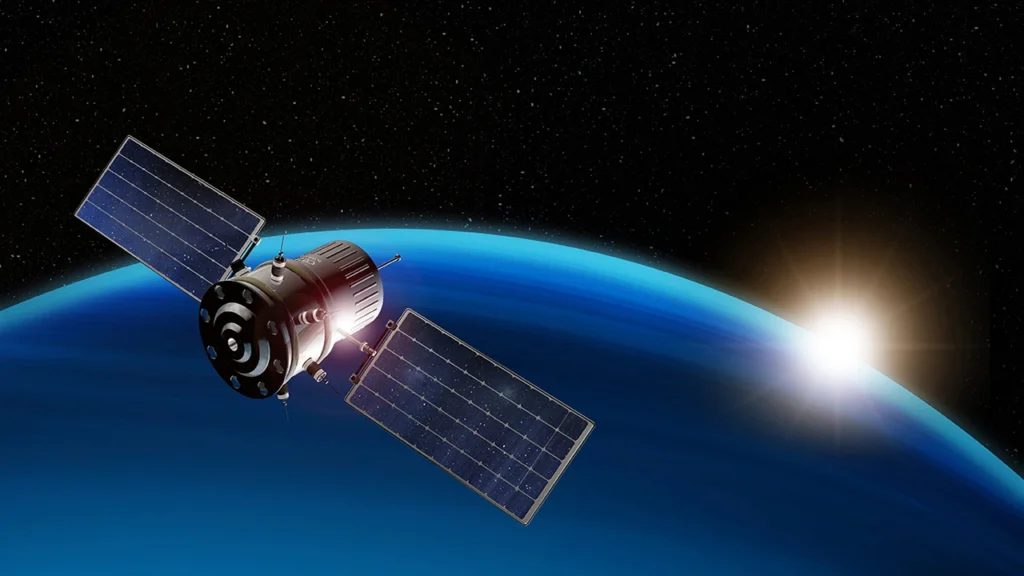
Television has undergone a remarkable transformation, shifting from large satellite dishes to instant 4K streaming. This article delves into the evolution of IPTV vs Cable tv and its impact on television viewing habits in the UK and globally.
The Early Days of Satellite and Cable TV
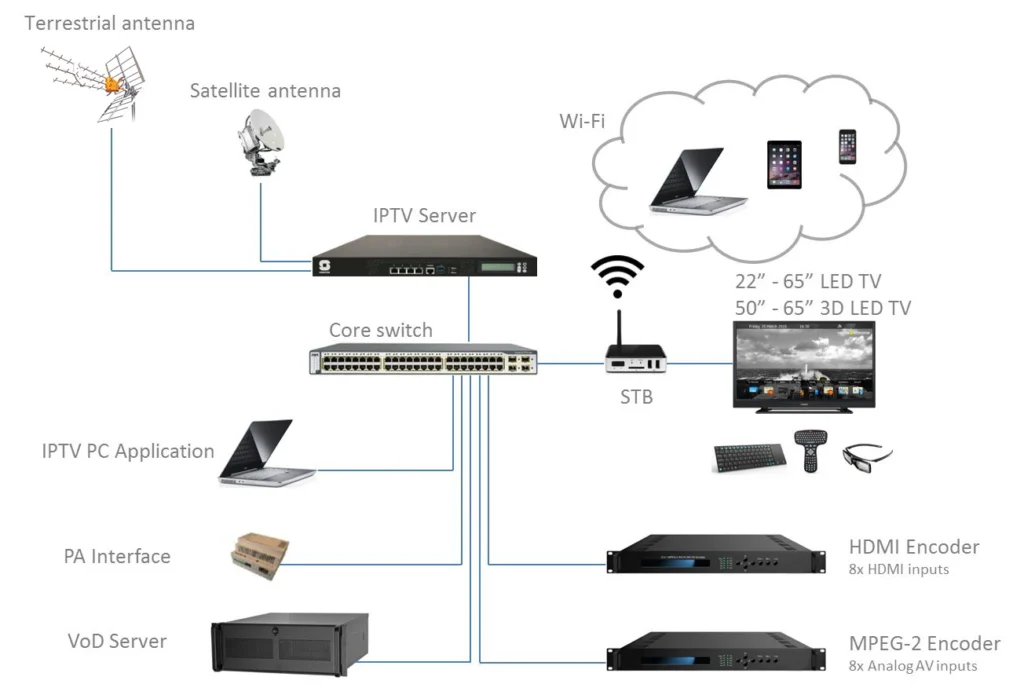
Before the internet era, most UK households depended on satellite or cable providers like Sky and Virgin Media. These services required physical installations such as coaxial cables, dishes, and set-top boxes, often bundled with expensive long-term contracts.
- 📡 Limited channel options
- 📅 Fixed schedules — no on-demand access
- 💸 High monthly fees
Although innovative for their time, traditional TV services could not keep up with increasing consumer demands for flexibility, variety, and affordability.
The Rise of Internet Streaming
During the 2010s, internet-based video platforms like YouTube, Netflix, and Amazon Prime emerged. These allowed users to stream content anytime, anywhere, eliminating the need for dishes or cables.
This development set the stage for a new service: IPTV – Internet Protocol Television.
What Is IPTV and How It Changed the Game
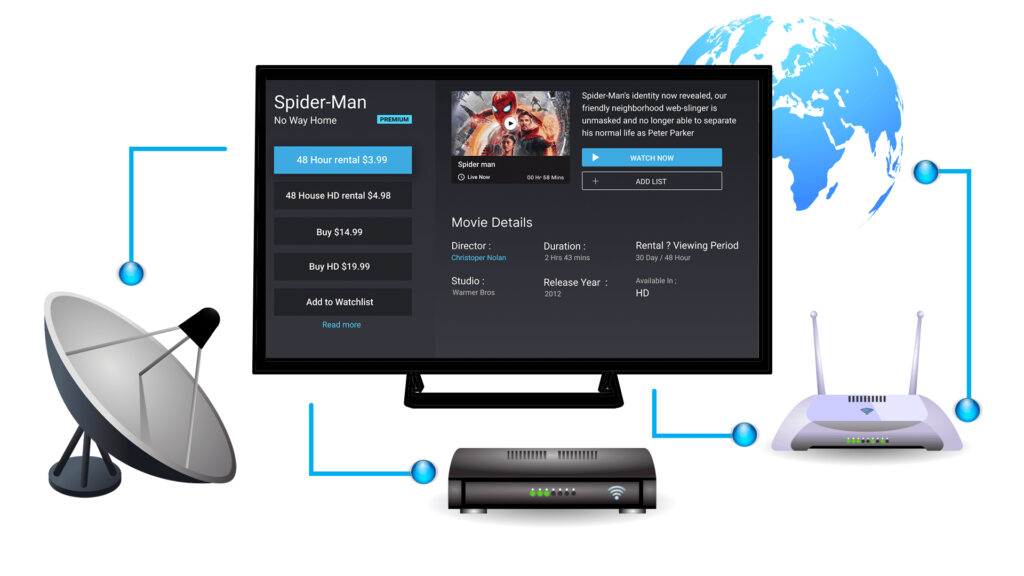
IPTV delivers digital television via the internet instead of traditional satellite or cable systems. It enables viewers to access live TV, movies, and sports through apps or smart devices without requiring a dish.
With IPTV, users benefit from:
- ✅ Live TV and on-demand content in one app
- ✅ Pause, rewind, or fast-forward live broadcasts
- ✅ Watch from any device: Smart TVs, Firesticks, mobiles
Key Milestones in the Evolution of IPTV
| Year | Milestone |
|---|---|
| 2005–2010 | Early IPTV testing and adoption begins in Europe and Asia |
| 2012 | First major IPTV apps appear for Smart TVs and Android devices |
| 2015–2018 | IPTV gains popularity as streaming overtakes cable TV in the UK |
| 2020+ | IPTV becomes mainstream, with 4K streams, cloud DVR, and catch-up TV |
Why More Users Are Switching to IPTV Today
By 2025, IPTV has become the preferred choice for millions in the UK. Reasons include:
- 📱 Watch anywhere, anytime
- 📡 No hardware installations
- ⚡ Faster, higher-quality streams (even 4K)
- 💷 Lower monthly costs compared to cable/satellite
- 🔁 Access to catch-up, VOD, and time-shifted content
The transition from passive viewing to adaptable streaming has established IPTV as the future of home entertainment.
Future Trends: What’s Next for IPTV?
As technology progresses, IPTV will become even more robust and user-friendly. Upcoming developments include:
- 🔊 Voice-controlled IPTV apps
- 🧠 AI-powered recommendations
- ☁️ Full cloud-based DVR and recording
- 🌐 Global IPTV plans with no geo-restrictions
Final Thoughts
The evolution of IPTV has revolutionized television consumption. Moving from cumbersome satellite dishes to streamlined streaming apps highlights advancements in technology and viewer demands. IPTV continues to strengthen its position in 2025 and beyond.
FAQs
Is IPTV replacing satellite TV?
Yes, many viewers are switching from satellite TV to more flexible and cost-effective IPTV services.
When did IPTV start in the UK?
IPTV began gaining momentum in the UK around 2012, with significant growth over the past 5–7 years.
Why is IPTV becoming more popular?
It offers greater channel selection, on-demand content, enhanced flexibility, and reduced costs.
Explore the Future of TV Today
Try our UK IPTV service — Fast, reliable, and designed for today’s audience.